Start with the specification
The terms anti-static, conductive and static-dissipative should not be treated as interchangeable performance guarantees. System selection begins with the required resistance characteristics, relevant test methods and how the facility manages personnel and equipment grounding.
Where the floor forms part of a personnel-grounding system, compatible ESD footwear and the floor must work together. Appearance alone cannot confirm that the system performs correctly.
Every layer has a role
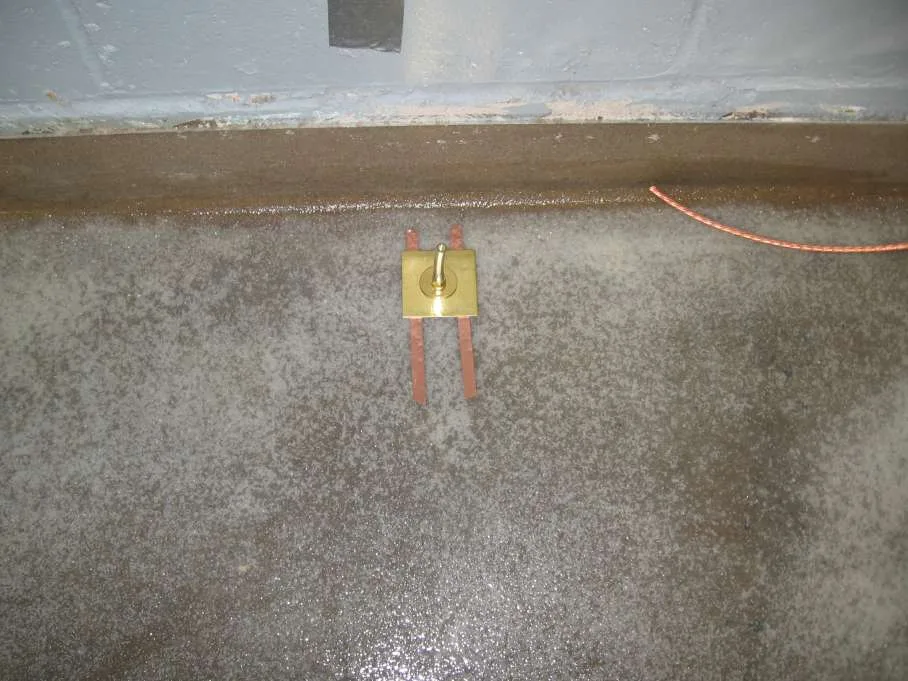
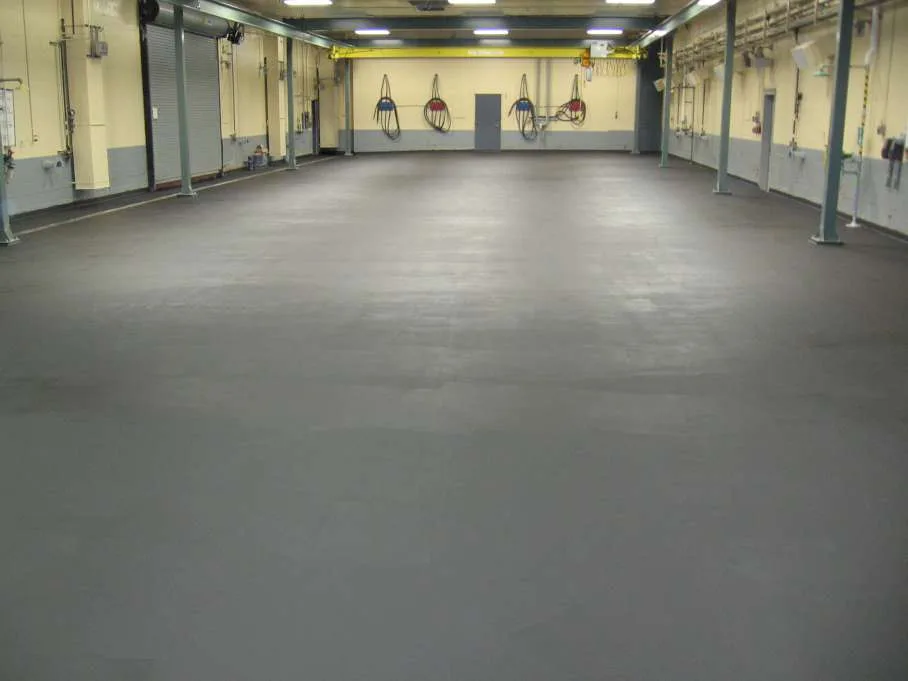
Depending on the specified construction, an ESD floor may include a substrate primer or isolation layer, grounding connections, a conductive intermediate layer and a compatible conductive or dissipative wearing surface.
An ordinary clear coating cannot simply be added over the finished floor without checking its effect on electrical performance. Repairs and future recoating also need compatible materials.
Grounding connections and associated electrical work should be undertaken and assessed by appropriately qualified electrical personnel.
Testing and ongoing care
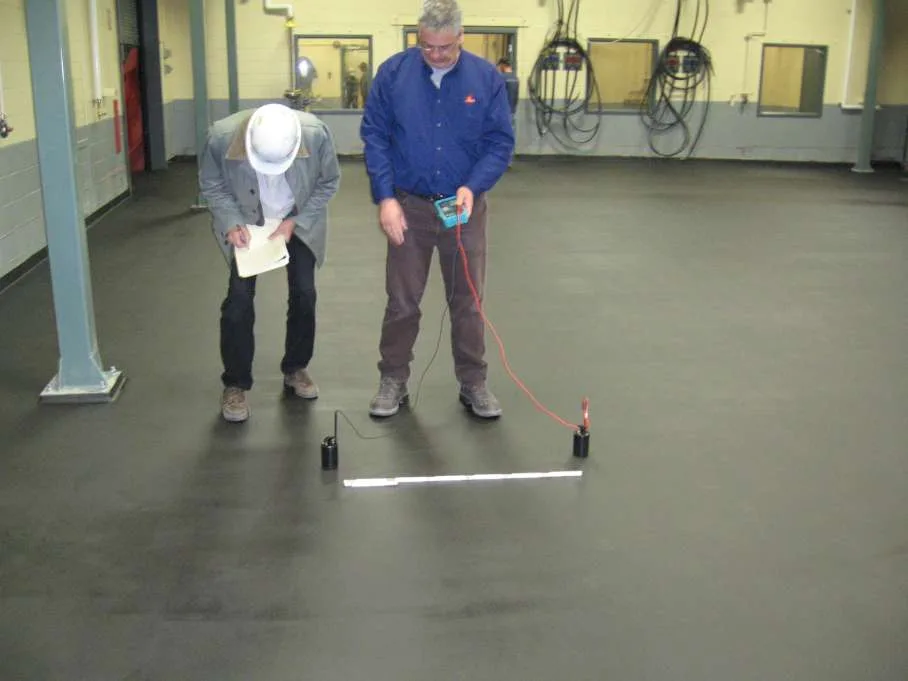
The project's testing requirements should be established before installation. Relevant resistance measurements, along with floor/footwear/body-voltage testing where specified, help verify the installed system against its intended performance.
Cleaning products, maintenance methods and later alterations must also remain suitable for the ESD system. Electrical performance is a requirement to preserve throughout the floor's use, not just a description on the original quotation.