Concrete protection

Concrete Sealers & Densifiers
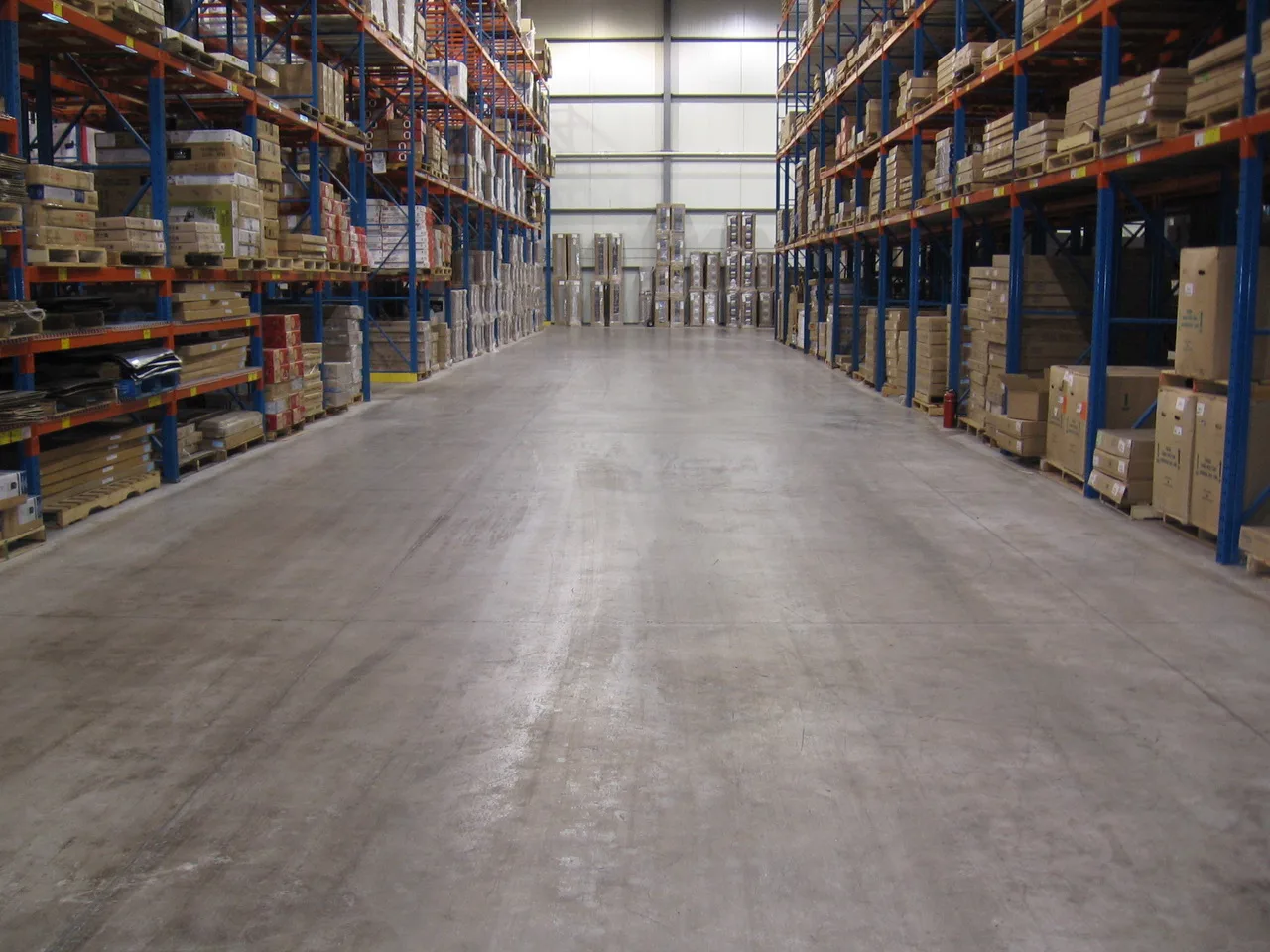
A dusty warehouse aisle, a ramp exposed to road salt and a shop floor that needs frequent cleaning call for different treatments. We help you protect the floor while keeping the look of exposed concrete.

Request a Quote
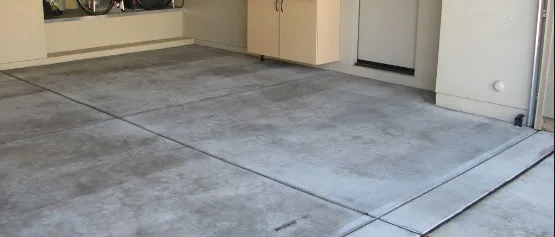
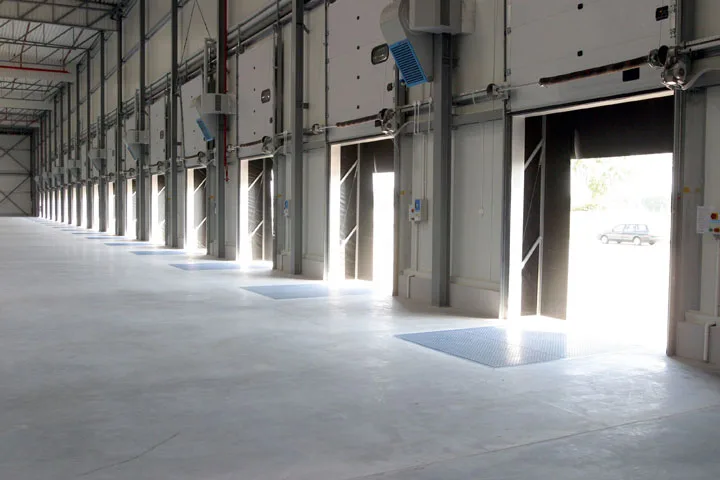
Exposed concrete in a warehouse aisle between storage racks

Exposed warehouse concrete

A densifier can reduce dusting and help exposed concrete stand up to everyday traffic.
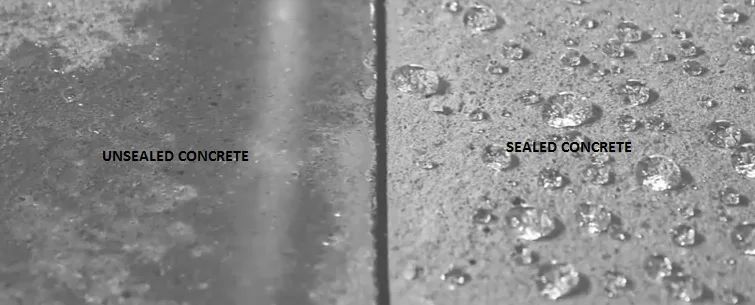
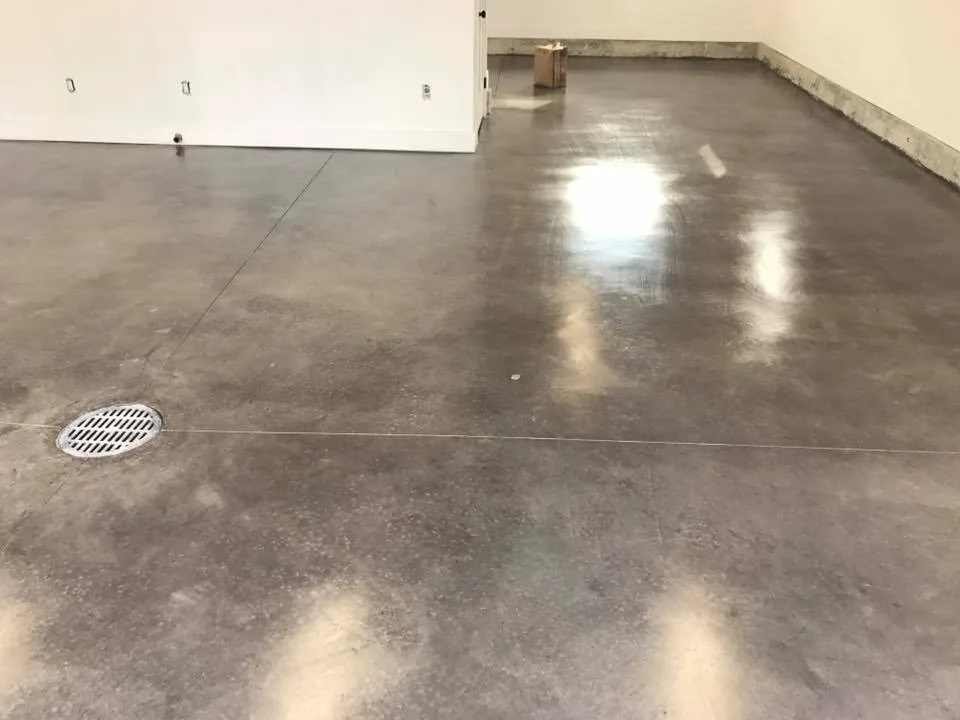
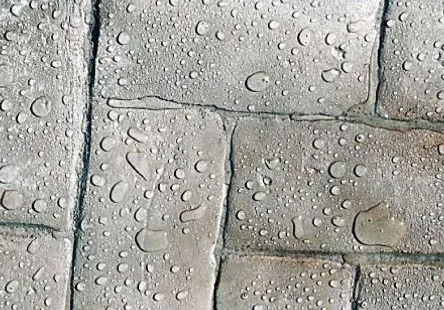
Side-by-side comparison showing water soaking into untreated concrete and beading on sealed concrete

Weather + deicing salts

A penetrating repellent limits how much water and dissolved deicing salt the slab absorbs.
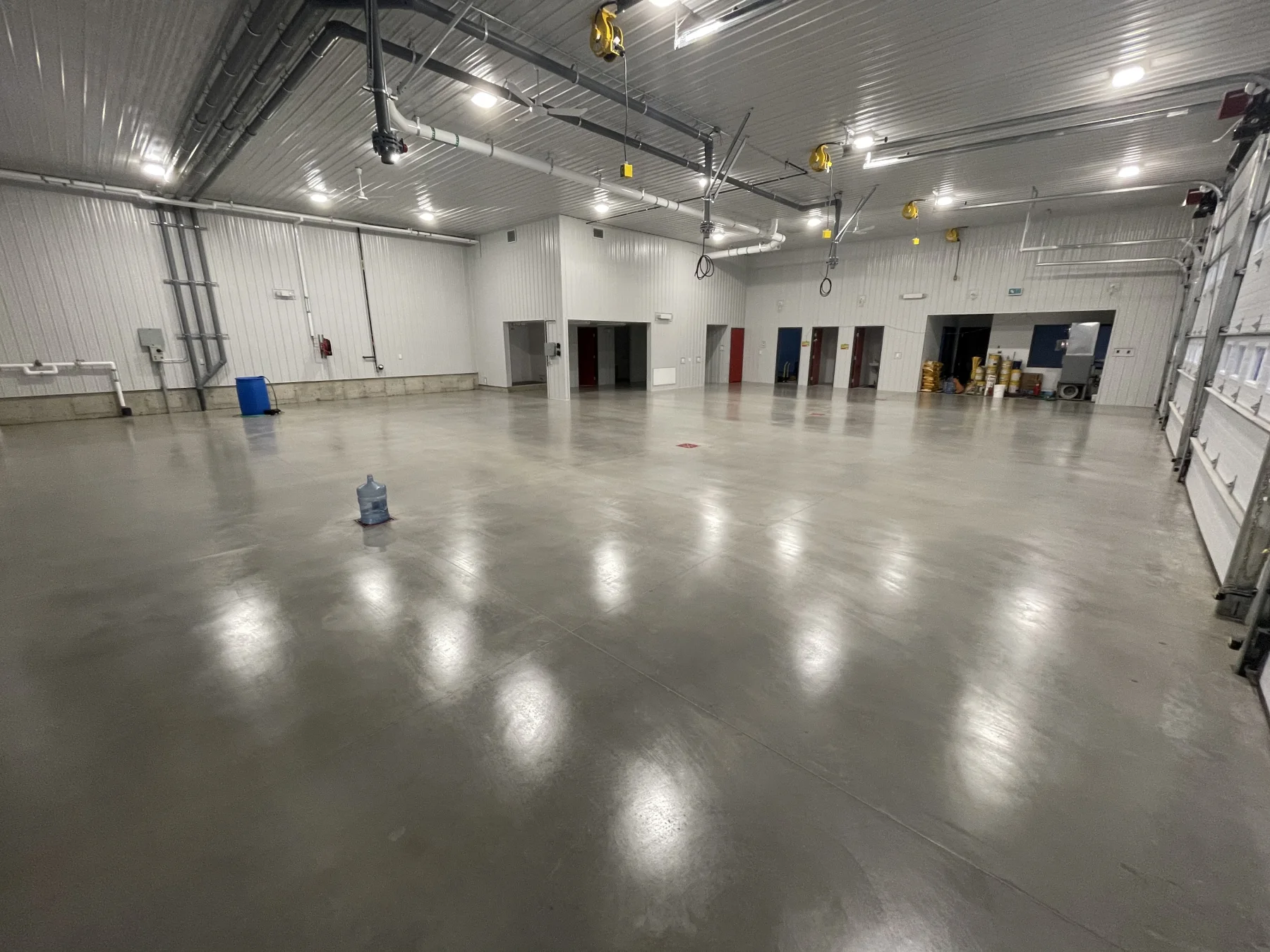
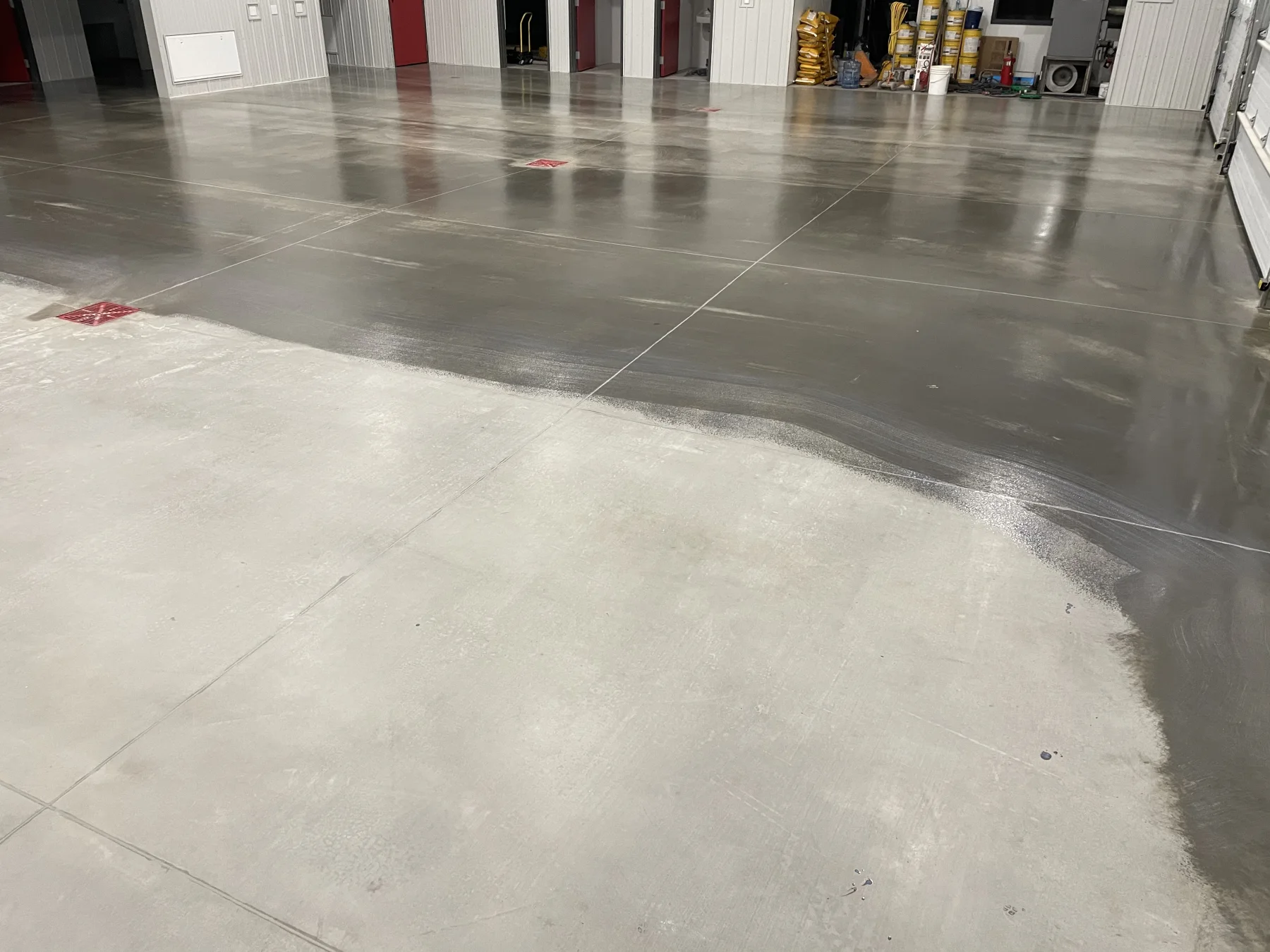
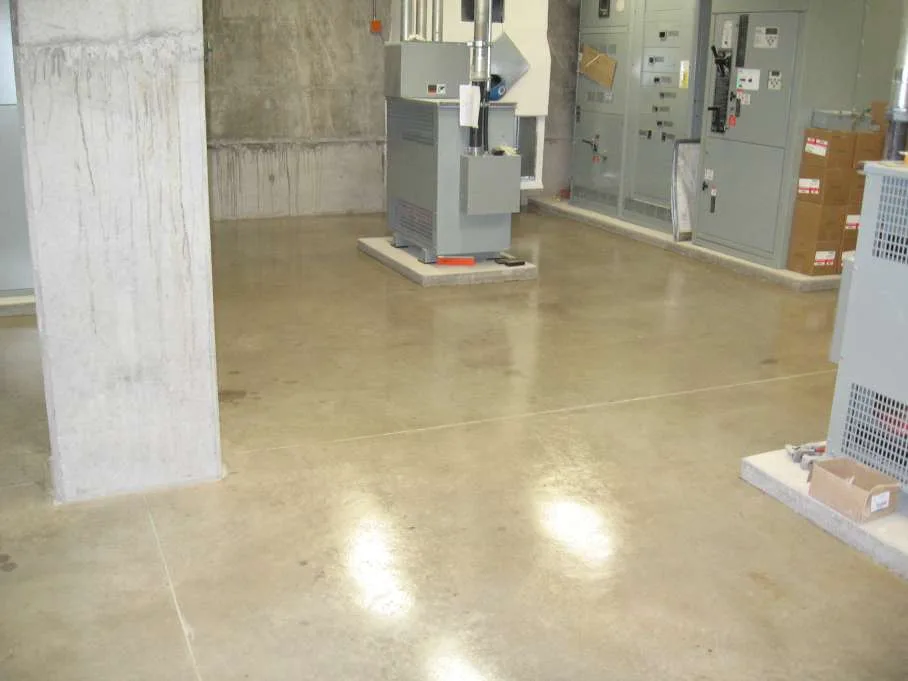
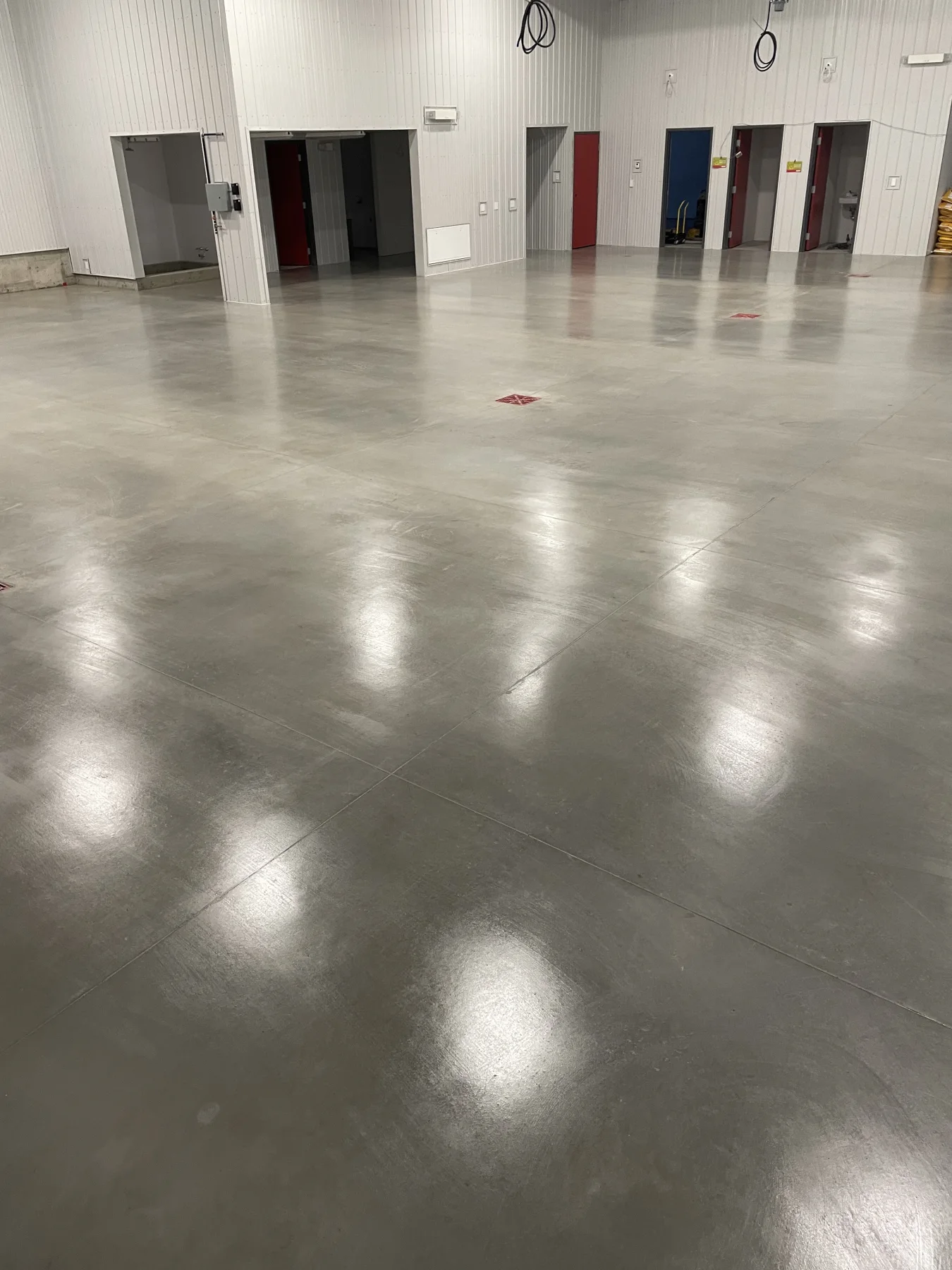
Overhead lights reflecting on the sealed concrete floor of the fire station vehicle bay in Paquetville

Paquetville fire station, New Brunswick

We applied a concrete sealer followed by two coats of stain guard in the vehicle bay.
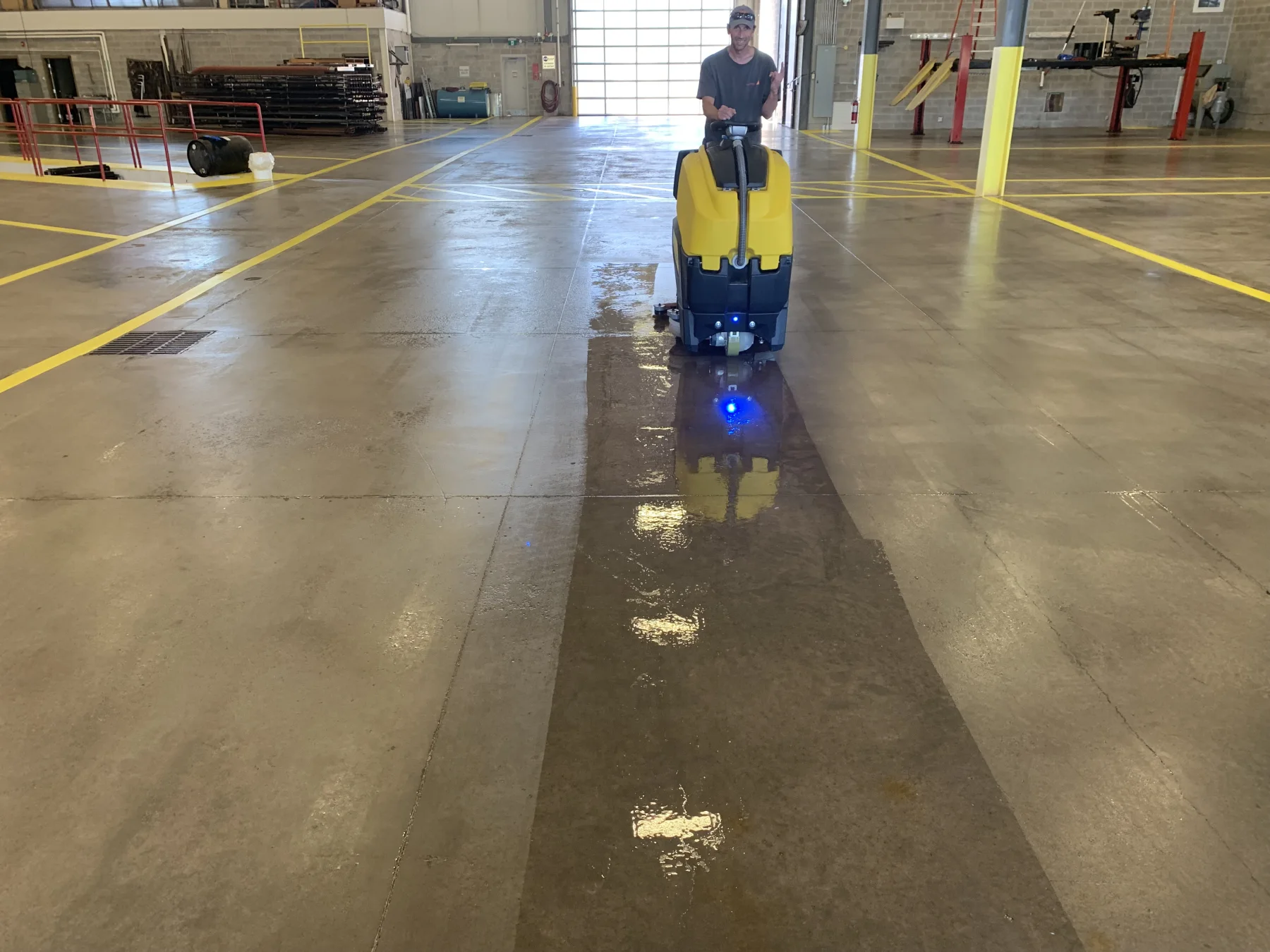
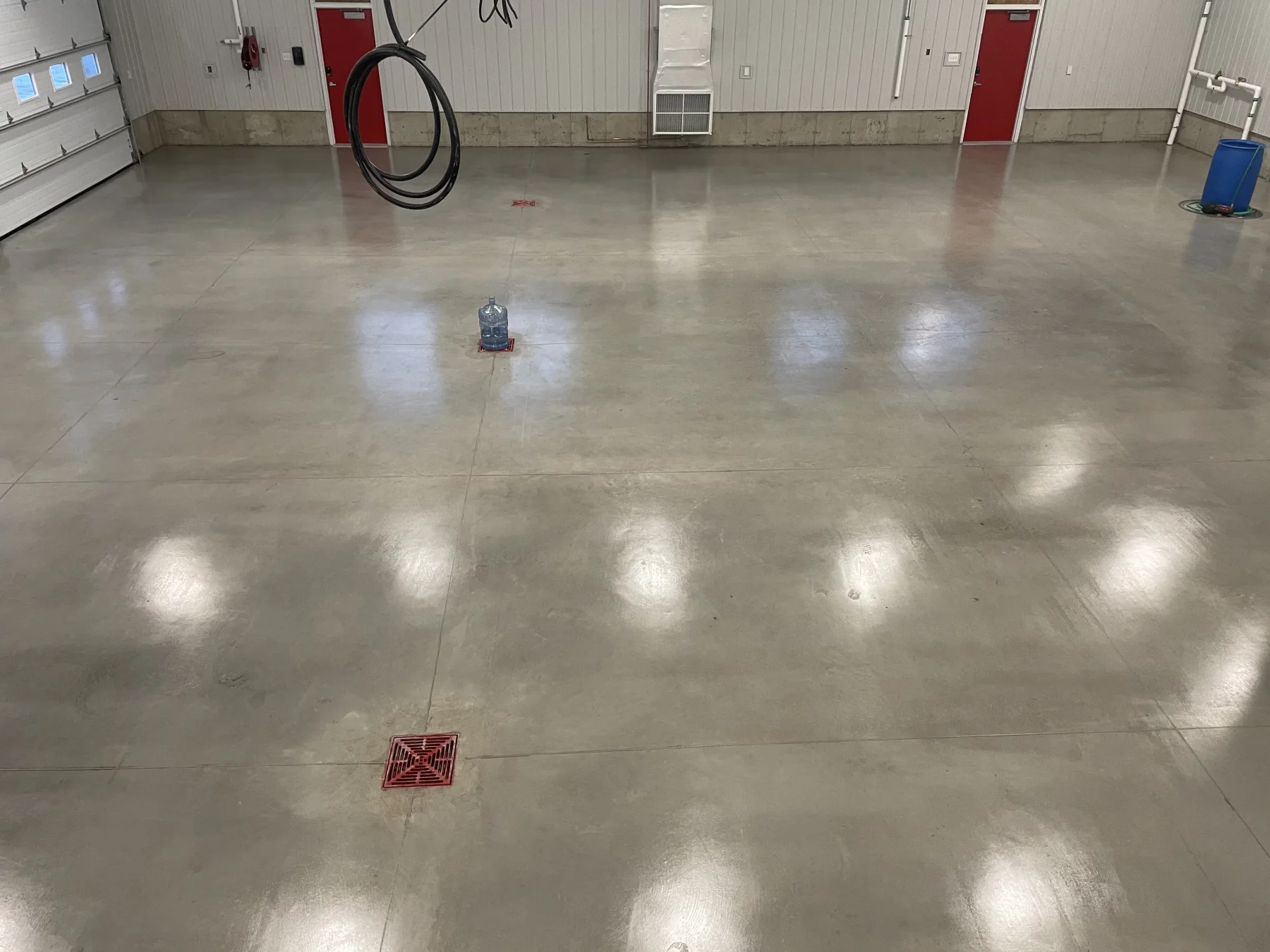
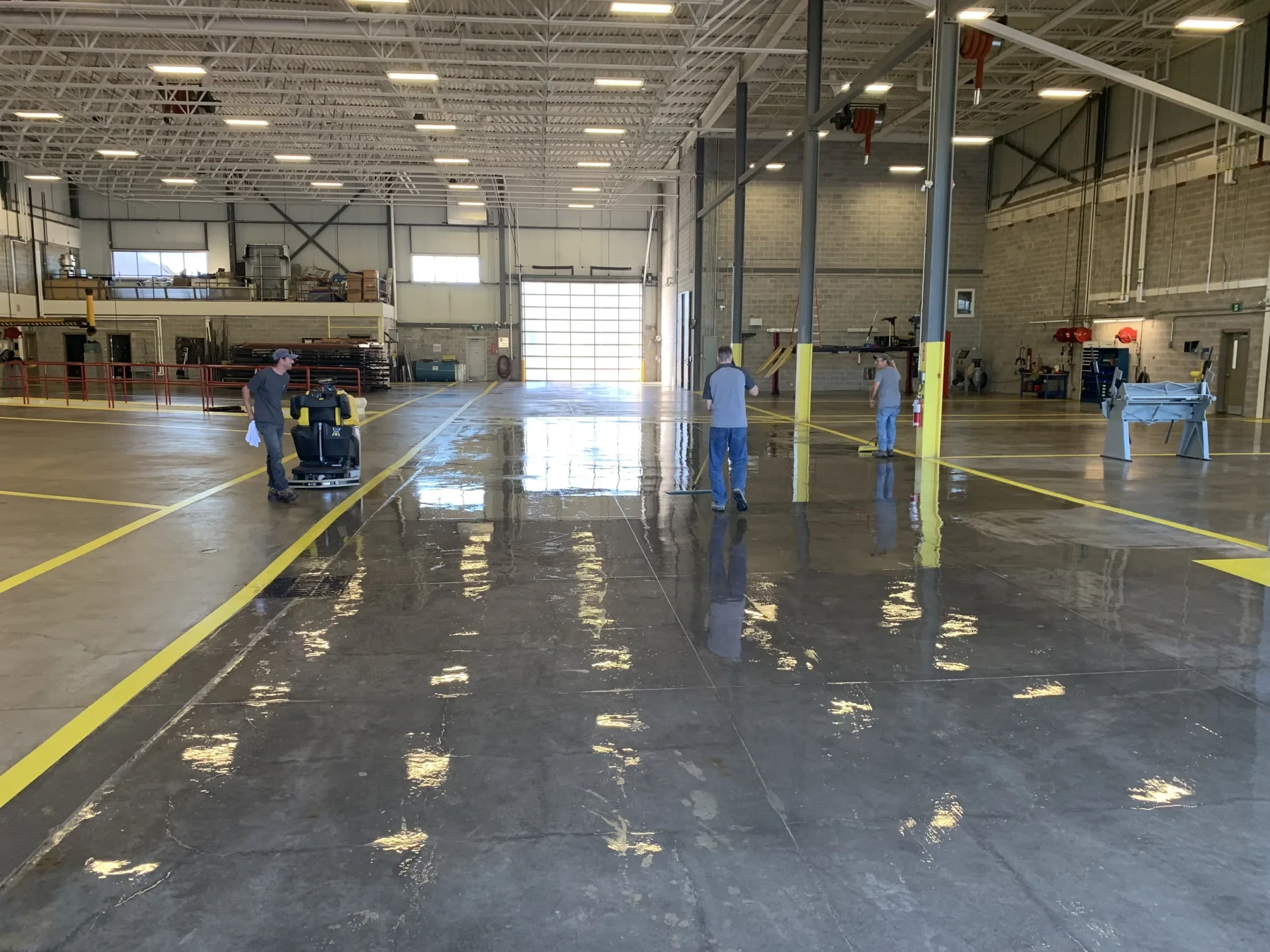
A floor scrubber cleaning a sealed shop floor between yellow lane markings

Ongoing maintenance

We consider your cleaning equipment, products and traffic when choosing a treatment.

Project-specific guidance

Tell us where the floor is, how it’s used and what you’re seeing. Photos of dusting, stains or worn areas help us assess the concrete.

Request a Quote
Treatment details and project photos
Densifiers and dust-control treatments

Sodium- or lithium-silicate treatments react within suitable concrete to densify the surface and help improve abrasion resistance and reduce dusting. They are often considered for exposed concrete in warehouses, manufacturing facilities and other working interiors.

A densifier is not the same as a chemical-resistant coating or a dedicated waterproofing membrane. Additional protection may be needed where stains, aggressive chemicals or water containment are the main concern.

Penetrating water repellents

Silane and siloxane treatments are selected to reduce water absorption and the entry of waterborne chlorides into suitable concrete. They are relevant to exposed structures, parking surfaces, ramps and other areas subject to weather and deicing salts.

These products generally work within the substrate rather than forming a thick wearing film. They are not designed to bridge cracks or replace joint detailing.

Surface sealers

Film-forming products, including appropriate urethane-modified sealers, provide a surface finish that can improve cleanability and offer product-specific resistance to staining and wear. Their appearance and maintenance requirements differ from penetrating treatments.

Start with the problem, not the product name

We consider whether the priority is dusting, traffic wear, water absorption, salts, staining or appearance. The concrete's porosity, existing treatments and interior or exterior location also influence product selection.

Will sealing hide cracks, repairs or colour variation?

Usually not. Clear treatments retain much of the existing concrete's appearance and may make some variations more noticeable. Where a uniform colour or substantially rebuilt surface is needed, a resinous flooring system may be a better option.